
 English
 Español
 Tiếng Việt

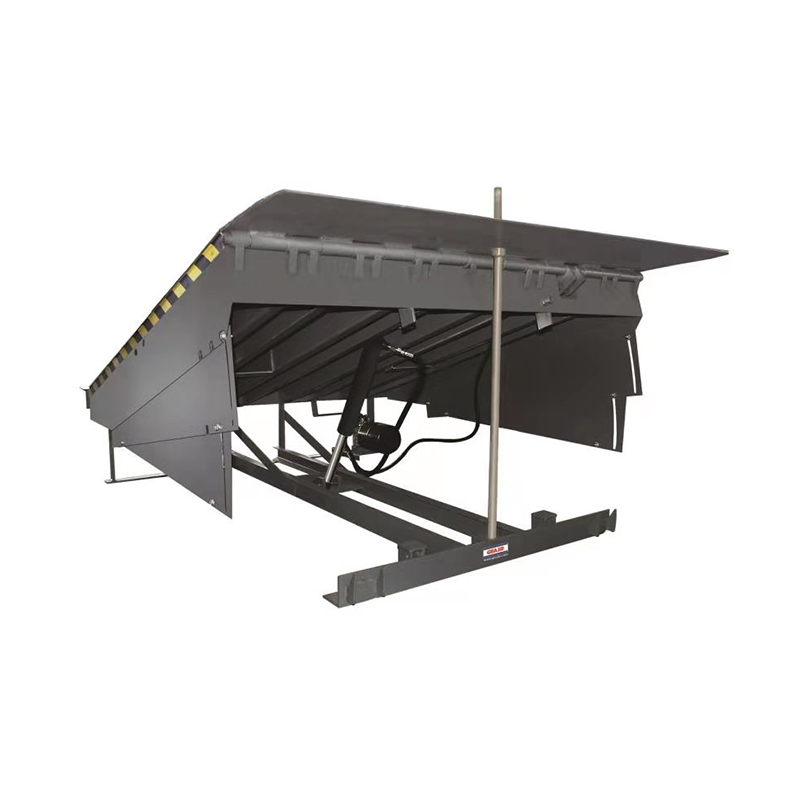
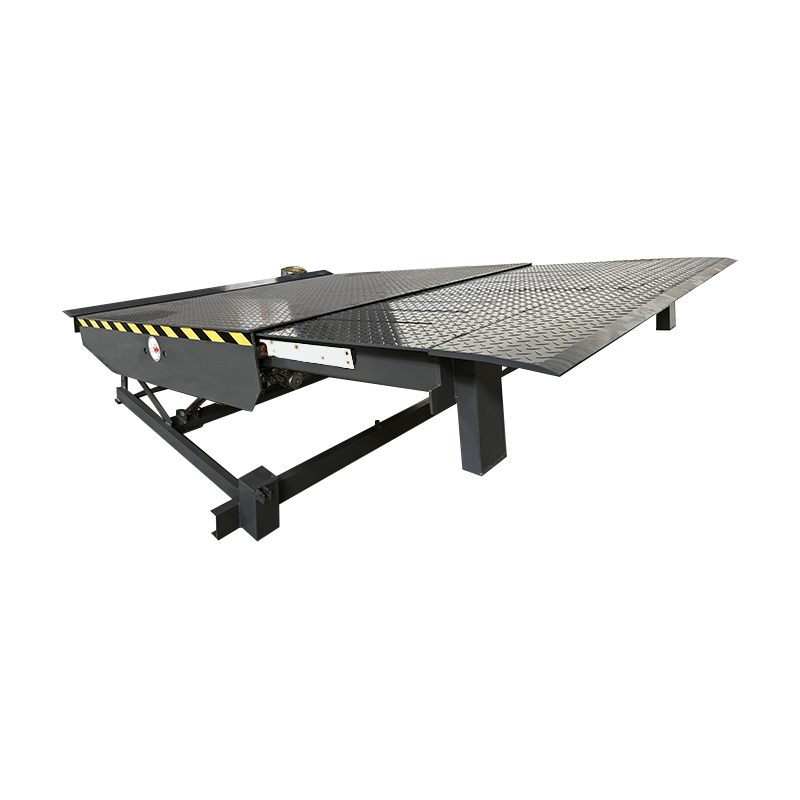
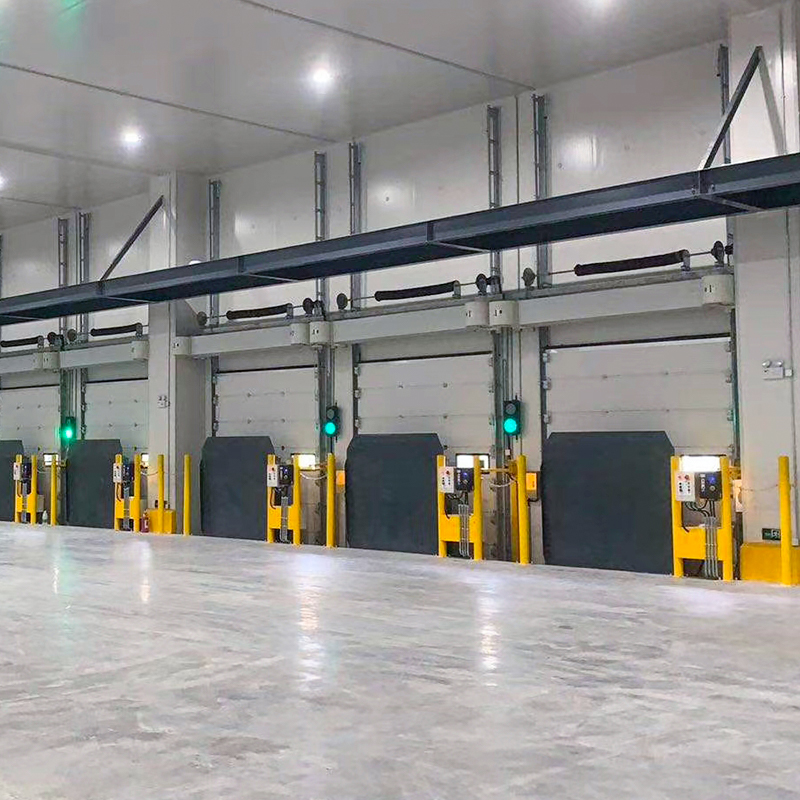
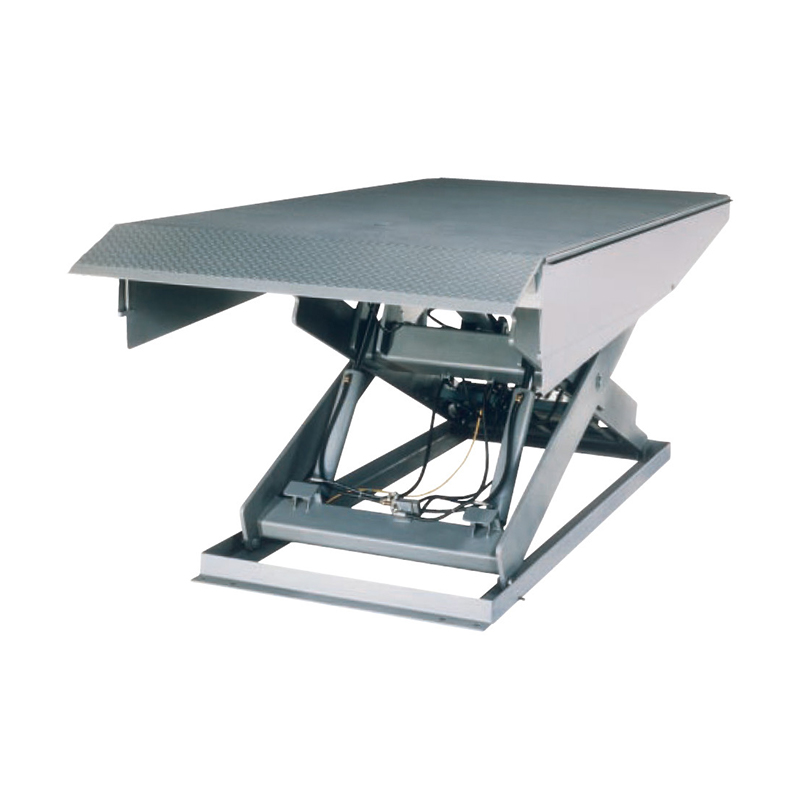
Nivelador de muelle para camiones: una guía de compra completa con clasificaciones de carga y consejos de seguridad ...
Seguridad de las instalaciones · Riesgo del muelle de carga
¿Qué tipos de lesiones o accidentes ayudan a prevenir los niveladores de muelle?
Una plataforma elevada, un remolque en movimiento y un espacio que cambia minuto a minuto: el muelle de carga combina más factores de riesgo en un espacio que casi cualquier otro lugar de un almacén. Estos son exactamente los accidentes que un nivelador puede evitar.
La respuesta directa
Un funcionamiento adecuado nivelador de muelle ayuda a prevenir caídas desde el borde del muelle, vuelcos de montacargas, lesiones por aplastamiento y accidentes causados por separación o deslizamiento del remolque durante la carga y descarga. Estos son consistentemente los tipos de incidentes más comunes y graves registrados en las áreas de muelles de carga, y cada uno está directamente relacionado con el espacio, el desajuste de altura o la inestabilidad que un nivelador de muelle está diseñado específicamente para eliminar. Cuando una instalación instala y mantiene correctamente un nivelador de muelle de carga, cierra el espacio físico entre la plataforma del remolque y el piso del almacén, estabiliza la superficie de transición bajo carga y brinda a los operadores un camino nivelado y predecible para mover el equipo y la carga.
Sin este equipo, los trabajadores están expuestos a una combinación de riesgos de caídas, pisadas inestables y movimientos repentinos del equipo que, en conjunto, representan una parte importante de las lesiones laborales en entornos de almacenamiento y distribución. Comprender exactamente qué accidentes aborda un nivelador de muelle ayuda a los administradores de instalaciones a justificar la inversión y priorizar el mantenimiento de las unidades existentes.
Información
Las áreas de los muelles de carga combinan cuatro factores de riesgo a la vez (elevación, vehículos en movimiento, superficies cambiantes y tráfico peatonal intenso), lo que las convierte en una de las zonas de mayor riesgo en cualquier instalación.
Caídas desde el borde del muelle
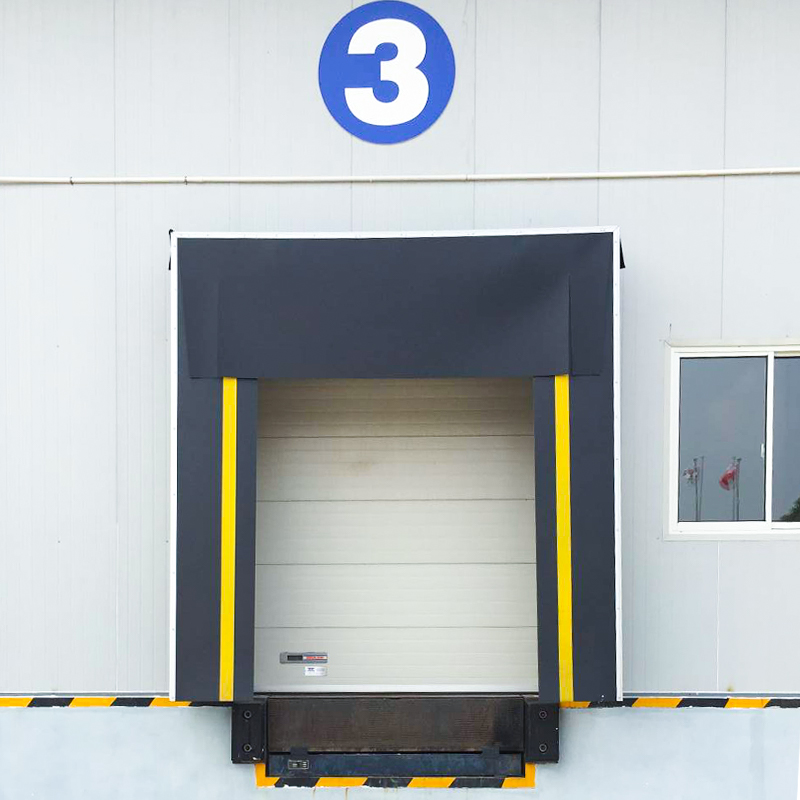
Uno de los peligros más frecuentes y peligrosos en cualquier muelle de carga es la caída desde el borde elevado de una plataforma. Las plataformas de muelle generalmente se elevan de cuatro a cinco pies sobre el nivel del suelo para igualar la altura de la plataforma del remolque, lo que significa que un trabajador que da un paso hacia atrás, pierde el equilibrio o juzga mal el borde durante una secuencia de carga ocupada puede sufrir una lesión grave por caída. Este riesgo aumenta drásticamente cuando no hay ningún remolque presente en la puerta del muelle y la abertura se deja sin protección, o cuando un espacio entre un remolque mal colocado y el muelle crea una zona de apoyo inestable.
nivelador de muelle
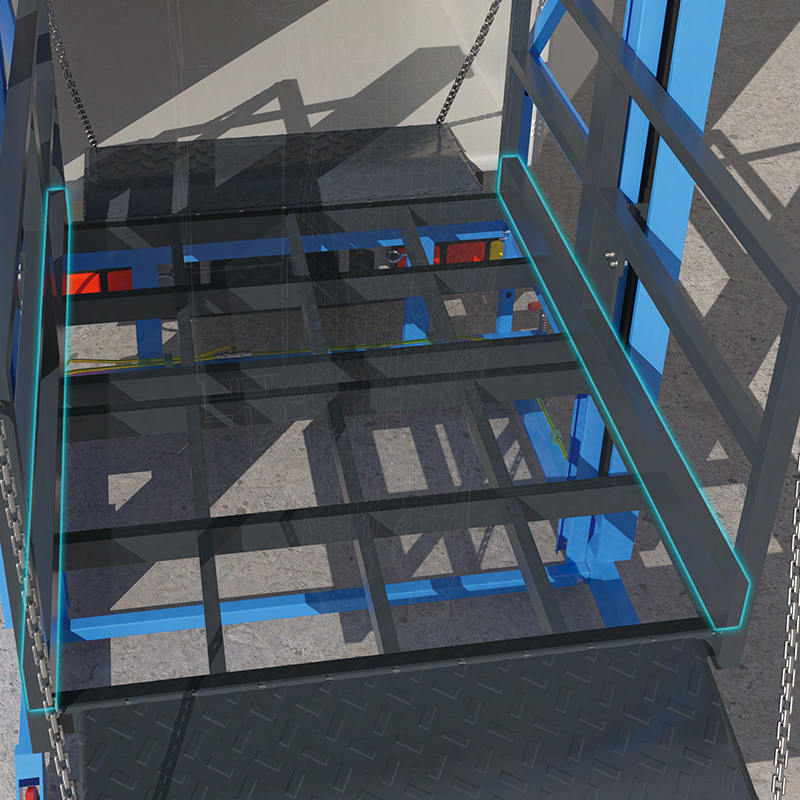
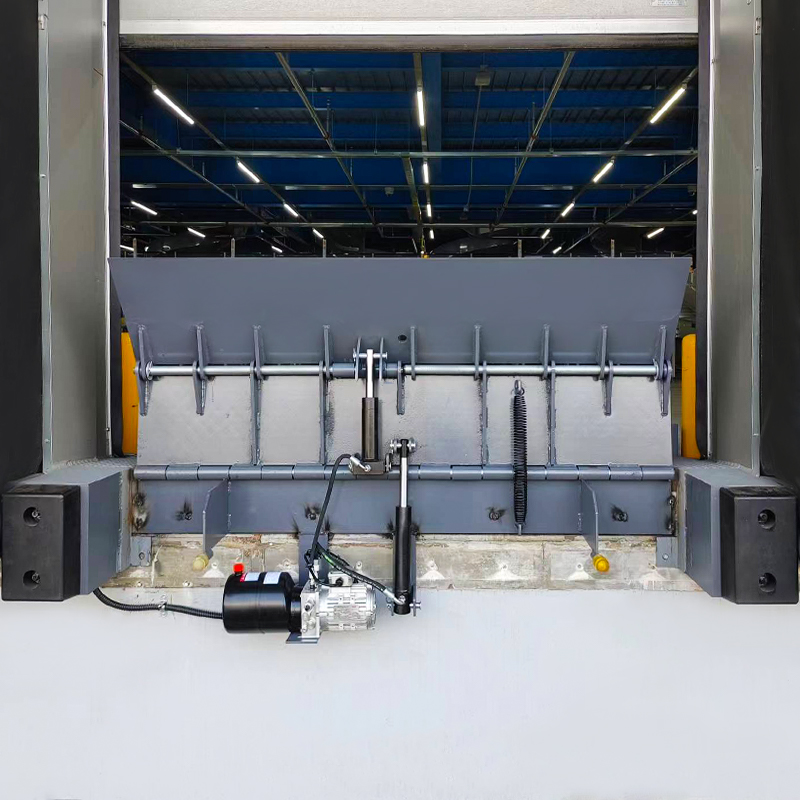
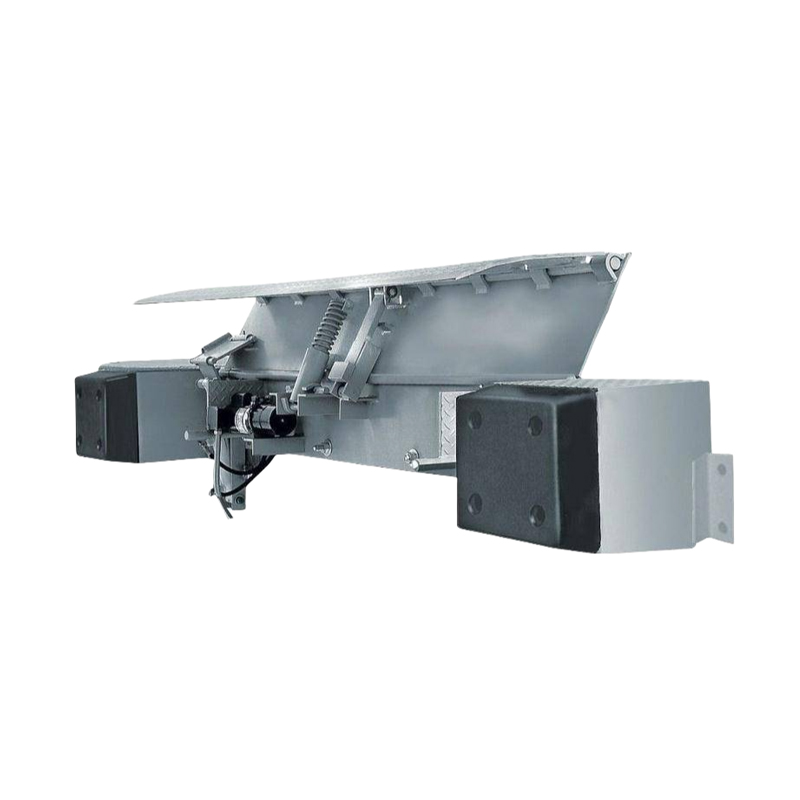
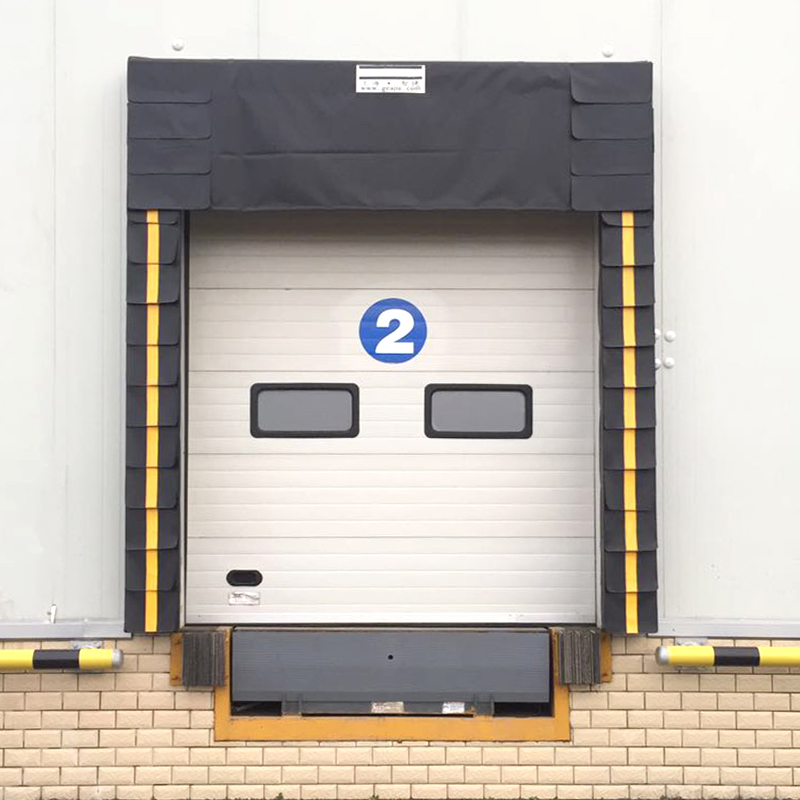
A nivelador de muelle de almacén reduce este riesgo al cerrar el espacio entre el muelle y el remolque con una extensión de plataforma rígida y con capacidad de carga, eliminando efectivamente el vacío abierto en el que los trabajadores podrían tropezar de otro modo. Muchos modelos de niveladores también se integran con barreras de seguridad para muelles y sistemas de protección de bordes, lo que proporciona una capa adicional de protección contra caídas cuando un remolque no está atracado.
Puntos de peligro relacionados con caídas en el muelle
- Abra las puertas del muelle sin remolque presente y sin barrera física colocada
- Espacios entre un remolque mal alineado y el borde del muelle
- Labios niveladores desiguales o inclinados que crean puntos de tropiezo
- Superficies niveladoras mojadas o heladas durante condiciones climáticas adversas
Vuelcos de montacargas y pérdida de control
Los vuelcos de montacargas se encuentran entre los tipos de accidentes más graves en el manejo de materiales y con frecuencia están relacionados con cambios repentinos en el ángulo de la superficie o caídas inesperadas en el umbral del muelle. Cuando un montacargas cruza un espacio sin soporte o una rampa empinada y sin clasificación mientras transporta una carga, el cambio abrupto en la distribución del peso puede causar que el vehículo se vuelva inestable, particularmente si la carga está elevada o descentrada en el momento del cruce.
Un nivelador de muelle de carga con la clasificación adecuada mantiene el montacargas en un plano nivelado continuo durante todo el cruce, lo que evita escenarios de cambios repentinos de peso que contribuyen a incidentes de vuelco. Esto es especialmente importante para los montacargas de pasillo estrecho y contrapeso, que tienen un centro de gravedad más alto cuando están cargados y son más sensibles a los cambios repentinos de ángulo que los equipos de perfil más bajo.
Condiciones que aumentan el riesgo de vuelco sin nivelador
| Factor de riesgo | Sin nivelador | Con nivelador |
|---|---|---|
| Centro de gravedad de carga elevado | Mayor riesgo de vuelco al cambiar de ángulo | Transición estable y gradual |
| Altura desigual de la plataforma del remolque | Caída repentina o sacudida en el umbral | Altura continua y adaptada |
| Superficie de transición mojada o resbaladiza | Patinaje de las ruedas en medio del cruce | Plataforma texturizada con capacidad de carga |
Lesiones por aplastamiento y atrapamiento
Las lesiones por aplastamiento ocurren cuando la mano, el pie o el cuerpo de un trabajador quedan atrapados entre las partes móviles de un nivelador, entre el borde del nivelador y la plataforma del remolque, o entre la carga que se desplaza durante la transferencia. Estas lesiones suelen ser graves porque las cargas involucradas, ya sean equipos o carga paletizada, son lo suficientemente pesadas como para causar daños graves incluso en un contacto breve.
moderno elevadores hidráulicos para muelles y los niveladores están diseñados con características de seguridad diseñadas específicamente para reducir este riesgo, incluidos protectores de dedos que bloquean el punto de pellizco debajo de la plataforma, mecanismos de bloqueo del labio que evitan que el labio caiga inesperadamente y enclavamientos que impiden la operación mientras una barrera está colocada. Las instalaciones que mantienen estas características de seguridad en funcionamiento ven una reducción mensurable en los incidentes atrapados en comparación con aquellas que utilizan equipos más antiguos o con mal mantenimiento.
Funciones de seguridad clave que reducen el riesgo de aplastamiento
- Protectores de dedos que bloquean físicamente el acceso al punto de pellizco debajo del borde de la plataforma
- Hardware de bloqueo de labios que evita el movimiento repentino e inesperado de los labios.
- Enclavamientos automáticos vinculados a los sistemas de retención de vehículos
- Zonas de puntos de pellizco claramente marcadas con señales de advertencia cerca de los componentes en movimiento
Accidentes por arrastre y separación de remolques
El deslizamiento del remolque ocurre cuando un remolque estacionado se aleja gradualmente del muelle durante la carga, a menudo debido al impulso repetido hacia adelante de los montacargas que ingresan al remolque. A medida que el espacio se amplía, el labio nivelador puede perder completamente el contacto con la plataforma del remolque, creando una zona de caída abierta en la que un montacargas o un peatón puede caer sin previo aviso. Este se considera uno de los tipos de accidentes más peligrosos relacionados con los muelles porque puede ocurrir repentinamente, en mitad de la operación, sin ninguna señal de advertencia obvia para el operador.
El avance lento del remolque puede convertir un muelle estable en una zona de descarga abierta en cuestión de minutos, de forma silenciosa y sin una sola señal de advertencia visible.
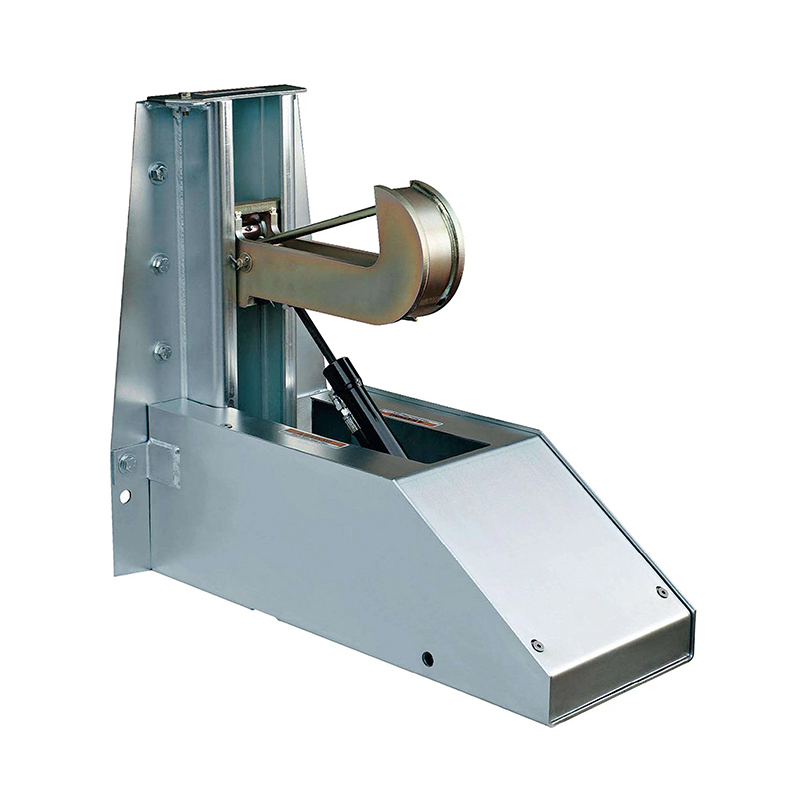
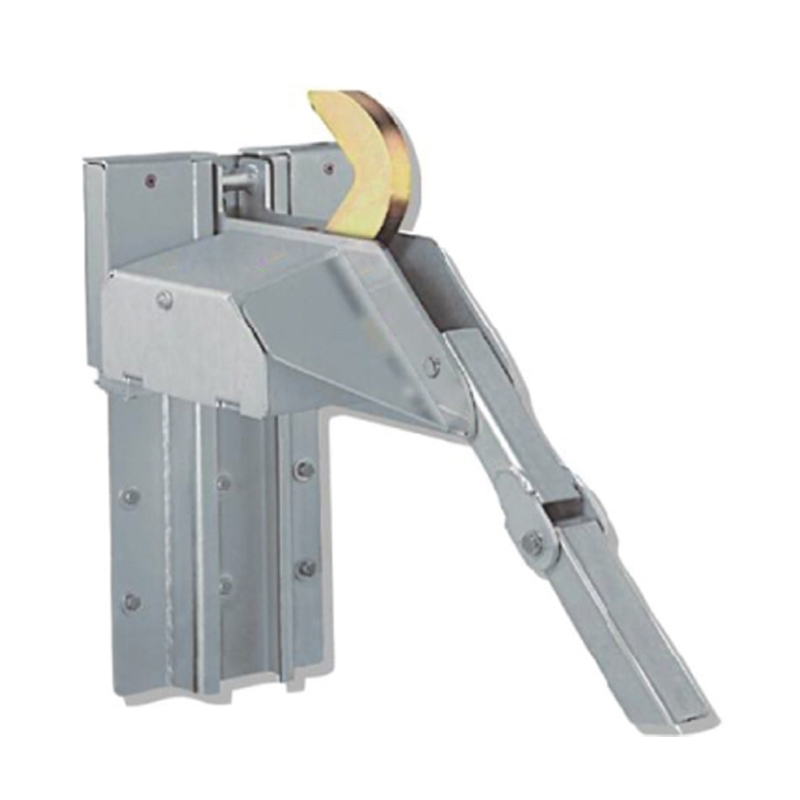
Si bien las restricciones del vehículo son la principal defensa contra el deslizamiento del remolque, un labio nivelador de andén correctamente extendido desempeña un papel de apoyo al mantener el máximo compromiso con la plataforma del remolque, lo que reduce la posibilidad de que una pequeña cantidad de deslizamiento cree inmediatamente un espacio sin soporte. Instalaciones que combinan un nivelador de muelle de carga Los vehículos con calzos en las ruedas o sistemas de retención automática presentan las tasas más bajas de incidentes de separación de remolques.
Protección en capas contra el deslizamiento del remolque
- Calzos en las ruedas colocados antes de que comience la carga y revisados periódicamente
- Sistemas de retención de vehículos automáticos o manuales acoplados al bastidor del remolque
- Extensión del labio nivelador de tamaño adecuado para mantener el contacto durante movimientos menores del remolque.
- Sistemas de comunicación o luces que indican cuándo no es seguro salir
Peligro
Un labio nivelador por sí solo no puede detener el deslizamiento del remolque; sin calzos para las ruedas o un sistema de retención, la separación gradual puede abrir una caída sin vigilancia sin previo aviso.
Resbalones, tropezones y pisadas irregulares
Los resbalones y tropezones se encuentran entre los tipos de lesiones más comunes reportados en los almacenes, y las áreas de los muelles presentan un conjunto concentrado de factores de riesgo: superficies de transición irregulares, exposición a la lluvia o la nieve y tráfico peatonal intenso combinado con equipos de manipulación de materiales que se mueven por el mismo espacio. Un labio nivelador desigual o mal mantenido puede crear un peligro de tropiezo cada vez que un trabajador lo cruza a pie, particularmente cuando transporta materiales o documentos que obstruyen su vista del suelo.
Un bien mantenido nivelador de muelle de almacén con una superficie texturizada, antideslizante y un labio correctamente alineado reduce significativamente este peligro al presentar una superficie para caminar nivelada y predecible en lugar de un borde elevado o un paso repentino. La inspección periódica del estado de la superficie del nivelador, junto con la pronta reparación de cualquier deformación o daño en la superficie, mantiene esta protección constante a lo largo del tiempo.
Factores que aumentan el riesgo de resbalones y tropezones en el muelle
| Condición | Peligro creado | Mitigación |
|---|---|---|
| Lluvia, nieve o hielo en la plataforma. | Tracción reducida bajo los pies | Textura de superficie antideslizante |
| Placa labial deformada o dañada | Paso desigual o punto de captura | Inspección y reparación de rutina |
| Acumulación de escombros en la plataforma | Pie obstruido | Protocolos de limpieza programados |
Pérdida de control del equipo en pendientes pronunciadas
Cuando la altura de la plataforma del remolque difiere significativamente del piso del muelle y no hay un nivelador presente, los trabajadores a veces intentan cerrar la brecha con una rampa empinada e improvisada o montar el equipo sobre una caída sin soporte. Subir o bajar una pendiente que exceda el ángulo de operación seguro para un montacargas o transpaleta cargado aumenta el riesgo de que la carga se deslice hacia adelante, que el operador pierda el control de la dirección o que el equipo se incline hacia atrás en el viaje de regreso.
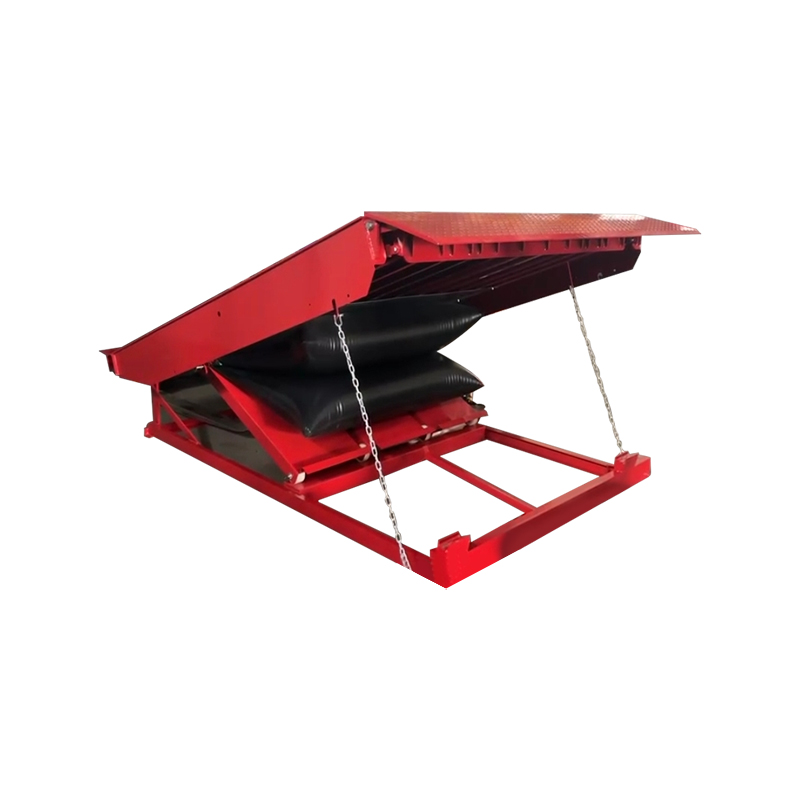
Sistemas niveladores ajustables, particularmente elevadores hidráulicos para muelles capaz de adaptarse a una amplia gama de alturas de remolques, mantiene el ángulo de cruce dentro de un rango operativo seguro, independientemente de qué tan alto o bajo se encuentre un remolque determinado en relación con el muelle. Esto es particularmente valioso para instalaciones que dan servicio a una combinación de tipos de remolques, desde remolques de plataforma baja hasta vehículos de gran espacio libre, ya que una rampa fija no puede adaptarse de la misma manera en ese rango.
Riesgos relacionados con el grado por tipo de equipo
- Los montacargas cargados corren el riesgo de deslizarse la carga al subir una pendiente empinada y sin soporte
- Las transpaletas pueden resultar difíciles de controlar al descender por un desnivel pronunciado
- Los carros operados manualmente pueden alejarse del operador en una pendiente no marcada
- Las transpaletas eléctricas pueden perder tracción en un punto de transición mojado o en ángulo
Creación de un programa completo de seguridad para muelles
Un nivelador de muelle es una pieza fundamental del panorama de seguridad, pero funciona mejor como parte de un programa en capas que también incluye restricciones de vehículos, protección de bordes, capacitación de operadores e inspecciones de rutina. Las instalaciones que tratan el nivelador como una solución independiente sin abordar estos elementos de soporte a menudo continúan viendo incidentes que un nivelador por sí solo no puede prevenir, como el deslizamiento de un remolque sin restricciones o caídas a través de una puerta abierta sin protección.
Elementos centrales de un programa de seguridad en muelles por niveles
- Un nivelador de muelle con la clasificación adecuada y un mantenimiento regular que se adapta al peso de la flota y a la variedad de remolques.
- Sistemas de retención del vehículo activados antes de que comience la carga y verificados antes de la salida.
- Barreras físicas o visuales a través de las puertas abiertas del muelle cuando no hay ningún remolque presente
- Capacitación de operadores sobre velocidades de cruce seguras y posicionamiento de carga.
- Inspección programada de bisagras niveladoras, resortes, mecanismos de labio y enclavamientos de seguridad.
Éxito
Las instalaciones que formalizan esta lista de verificación en un programa de inspección recurrente tienden a detectar peligros en desarrollo, como un bloqueo de labios que falla lentamente o un protector de pie desgastado, antes de que contribuyan a un incidente real.
Advertencia
Un nivelador que pasa la inspección visual aún puede tener un enclavamiento defectuoso o una bisagra desgastada debajo; las comprobaciones de seguridad deben probar el funcionamiento, no solo la apariencia.
Por qué la prevención en el muelle vale la pena en toda la instalación
Las áreas de los muelles de carga se encuentran constantemente entre las zonas de mayor riesgo en las operaciones de almacén y distribución porque combinan plataformas elevadas, tráfico de equipos pesados y condiciones en constante cambio a medida que los remolques llegan y salen. Al abordar los tipos de accidentes específicos para los que se construye un nivelador (caídas, vuelcos, lesiones por aplastamiento, deslizamiento del remolque y riesgos de resbalones), se reduce no solo el riesgo de lesiones sino también los costos posteriores de la investigación de incidentes, los reclamos de compensación laboral y el tiempo de inactividad operativa después de un accidente.
En resumen, un nivelador de muelle de carga bien seleccionado y con el mantenimiento adecuado aborda varias de las categorías de accidentes más graves y prevenibles a la vez, lo que lo convierte en una de las inversiones en seguridad de mayor valor que un almacén o instalación de distribución puede realizar en las puertas de su muelle.
